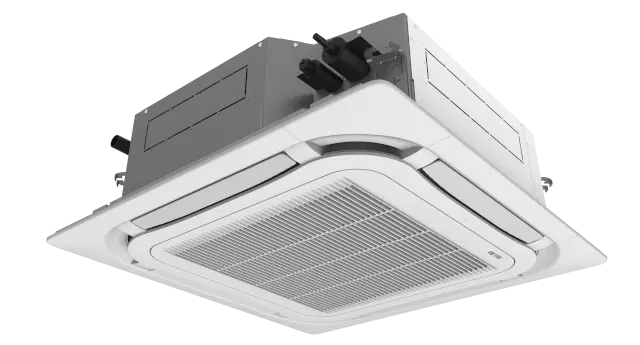
A temperature control system is used to manage the temperature, humidity, and air quality in indoor spaces. It plays a vital role in comfort during hot weather and is crucial for certain environments such as server rooms and hospitals.
A temperature control system is a critical technology that enhances comfort and safeguards health and productivity in various settings. It allows for precise temperature control, making it essential for both residential and commercial properties.
The evolution of temperature control has been profound, from simple techniques used by ancient civilizations to advanced systems that use AI and IoT for better efficiency and control. This historical perspective highlights the importance of innovation in improving human comfort and productivity.
Understanding the various types of temperature control systems is crucial for making informed decisions. For instance, central systems are ideal for large homes, while window units can be more suitable for smaller spaces or apartments. Ductless systems offer flexibility and efficiency, especially in homes without existing ductwork.
The compressor is the heart of any temperature control system, playing a vital role in the refrigeration cycle. It compresses the refrigerant, raising its pressure and temperature before it moves to the condenser. Understanding these components allows for better maintenance and troubleshooting.
Temperature control systems operate based on the principles of thermodynamics. By absorbing heat from indoor air, these systems provide a cooling effect that significantly improves comfort levels, particularly during scorching summers.
In addition to comfort, the benefits of temperature control include enhancing focus in work environments. Studies show that comfortable temperatures can improve concentration and productivity, making temperature control a valuable investment for businesses.
Understanding Temperature Control Systems
Energy-efficient temperature control systems not only reduce costs but also promote environmental sustainability. New refrigerants and smart technologies help decrease energy consumption, making modern systems significantly more eco-friendly than their predecessors.
Regular maintenance is critical for the longevity of temperature control systems. A well-maintained system can operate more efficiently, saving money on energy bills while ensuring a comfortable environment throughout the year.
Understanding common temperature control problems can empower homeowners to take quick action. Issues like refrigerant leaks or thermostat malfunctions can lead to larger problems if not addressed promptly, highlighting the importance of vigilance in system performance.
The environmental impact of temperature control extends beyond energy use. The phase-out of harmful refrigerants is crucial for reducing greenhouse gas emissions and protecting the ozone layer, making sustainable options increasingly vital.
Innovations such as variable speed compressors and advanced heat exchangers are paving the way for more efficient temperature control systems. These technologies not only enhance comfort but also reduce operational costs and environmental footprint.
Temperature control systems play a significant role in maintaining indoor air quality. Features like HEPA filters help remove allergens and pollutants, making these systems essential for homes with allergy sufferers or respiratory conditions.
When considering costs, potential buyers should evaluate both initial investments and long-term expenses. Understanding the total cost of ownership can help homeowners make informed choices about their temperature control systems.
Familiarizing oneself with local regulations regarding temperature control can aid in compliance and ensure that installations meet safety standards. This knowledge is essential for both homeowners and contractors to avoid legal issues.
Future trends in temperature control point towards greater integration with renewable energy sources, such as solar power. This shift will not only reduce reliance on fossil fuels but also lower operational costs for consumers.
The history of temperature control dates back to ancient civilizations. The Egyptians used the principle of evaporation to cool their homes. In modern times, the first mechanical temperature control unit was invented by Willis Haviland Carrier in 1902, which laid the foundation for the industry we know today.
There are several types of temperature control systems available today, including central systems, window units, ductless mini-splits, and portable units. Each type has its advantages and disadvantages, making them suitable for different situations and spaces.
Components of temperature control systems include the compressor, condenser, evaporator, and expansion valve. Understanding how these components work together helps in diagnosing issues and optimizing performance.
Temperature control works by removing heat and humidity from the air. The refrigerant circulates through the system, absorbing heat from inside the building and releasing it outside. This process creates a cooler indoor environment.
The benefits of temperature control extend beyond just comfort. It improves indoor air quality by filtering out pollutants and allergens, reduces humidity levels, and can even increase productivity in workspaces.
Energy efficiency in temperature control is crucial for reducing electricity bills and environmental impact. Choosing units with high SEER (Seasonal Energy Efficiency Ratio) ratings and utilizing smart thermostats can lead to significant savings.
Key Considerations for Air-Conditioning Systems
Regular maintenance of temperature control systems is essential for optimal performance. This includes cleaning or replacing filters, checking refrigerant levels, and ensuring all components are functioning correctly to prevent breakdowns.
Common temperature control problems include insufficient cooling, strange noises, and frequent cycling. Understanding these issues can help homeowners seek timely repairs and avoid costly replacements.
The environmental impact of temperature control is a growing concern, especially regarding greenhouse gas emissions from refrigerants. New technologies are being developed to create more sustainable systems.
Innovations in temperature control technology include variable refrigerant flow (VRF) systems, smart home integration, and eco-friendly refrigerants. These advancements aim to improve efficiency and reduce environmental harm.
Temperature control significantly affects indoor air quality by filtering out dust, pollen, and other contaminants, which is vital for individuals with allergies or respiratory issues.
Cost considerations for temperature control include initial purchase, installation, and ongoing energy costs. Budgeting for these expenses is essential to ensure affordable long-term use.
Regulations and standards for temperature control are in place to ensure safety and efficiency. Familiarizing oneself with local codes can prevent issues during installation and operation.
Future trends in temperature control may include greater reliance on renewable energy sources, improved automation through AI, and designs that integrate seamlessly with building architecture.